Introduction
Wound treatment management is an essential element of healthcare, particularly in the therapy of persistent injuries and complicated injuries. Whether it's a basic cut or a more challenging abscess, efficient wound management can dramatically affect healing end results. Proper techniques not just quicken recuperation yet additionally lower the risk of infection and complications. As healthcare experts, comprehending these techniques is extremely important. In this write-up, we dig deep into Wound Care Monitoring: Methods for Successful Outcomes, including different elements such as training wound care and management for experts, nursing education and learning, and progressed strategies for taking care of intricate wounds.
1. Understanding Wound Treatment Management
1.1 What is Injury Care Management?
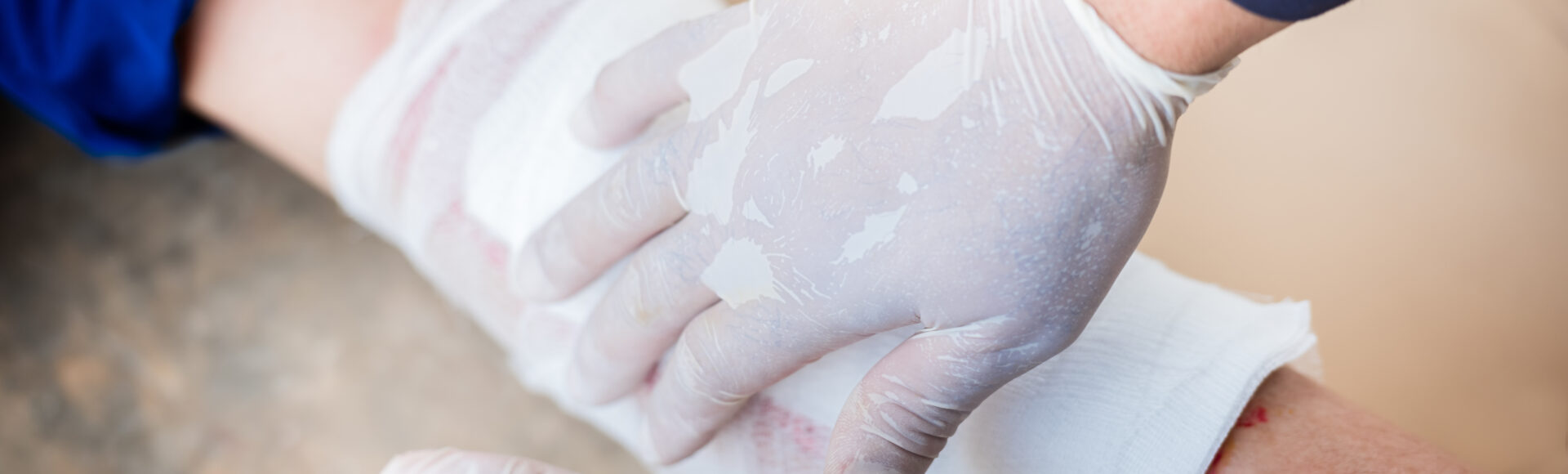
Wound treatment management describes the systematic approach to dealing with wounds via correct evaluation, medical diagnosis, and treatment protocols. It includes everything from cleaning and dressing injuries to surveillance recovery progress.
1.2 Importance of Wound Care
Effective wound care is crucial since it helps protect against infections, promotes faster healing, and inevitably decreases medical care expenses related to long term treatments.
2. Types of Wounds
2.1 Severe Wounds
Acute wounds are those that heal swiftly without difficulties. They normally arise from surgical procedure or unintentional injuries.
2.2 Persistent Wounds
Chronic injuries linger with time and are commonly related to underlying conditions such as diabetes mellitus or vascular disease.
3. The Role of an Injury Treatment Specialist
3.1 What Does a Wound Treatment Expert Do?
A wound treatment specialist concentrates on detecting and treating different sorts of wounds making use of specialized knowledge and techniques.
3.2 Training Required for Specialists
To become an injury care expert, one need to go through extensive training that consists of both theoretical knowledge and sensible skills.
4. Wound Treatment Professional Training
4.1 Introduction of Training Programs
Training programs for injury care professionals vary commonly however frequently consist of coursework on composition, physiology, and the latest wound care technologies.
4.2 Accreditation Options Available
Various organizations offer qualifications in wound care management that enhance reputation and knowledge in the field.
5. Wound Care Educating for Nurses
5.1 Value of Specialized Training
Nurses play a vital role in person treatment; therefore, specialized training in wound administration is critical for delivering top quality health care services.
5.2 Educational program Components in Nursing Programs
Most nursing programs now include modules concentrated on basic wound care training to gear up registered nurses with essential abilities required in professional settings.
6. Wound Care Training Courses
6.1 Online vs On-site Courses
With the surge of electronic learning platforms, lots of professionals are opting for on the internet wound care training courses that provide versatility without compromising on quality.
6.2 Program Material Overview
Typical program web content consists of makeup pertinent to wound recovery, ideal methods in clothing application, infection control measures, among others.
7. Basic Wound Care Training Essentials
7.1 Trick Abilities Got With Standard Training
Basic wound care training equips people with abilities like cleansing techniques, using dressings appropriately, and identifying signs of infection.
7.2 Significance of Hands-on Practice
Theory alone isn't enough; hands-on technique is crucial for creating confidence and proficiency in handling injuries effectively.
8. Advanced Strategies in Complicated Wound Care
8.1 Comprehending Complicated Wounds
Complex injuries call for specific interventions because of their nature-- often entailing much deeper tissues or underlying health issues that impede recovery processes.
8.2 Treatment Modalities
Advanced methods include unfavorable pressure wound treatment (NPWT), bioengineered cells, and other cutting-edge methods tailored to advertise healing in complicated cases.
9. Chronic Wound Care Management Strategies
9.1 Identifying Underlying Causes
Identifying the origin of chronic wounds-- be it inadequate blood circulation or diabetes mellitus-- is vital for effective therapy plans.
9.2 Multidisciplinary Approach
A successful chronic injury monitoring technique commonly involves partnership among various doctor consisting of dietitians, foot doctors, and physical therapists.
10. The NDIS (National Disability Insurance System) & Injury Care
10.1 NDIS Assistance Services
For people under the NDIS framework requiring ongoing injury management assistance services are crucial to guarantee they get suitable treatment tailored to their needs.
10.2 Funding Options Available
Understanding financing choices available with NDIS enables individuals to gain access to essential treatments without economic burden.

Frequently Asked Questions (FAQs)
Q1: What qualifications do I need to end up being a wound treatment nurse?
A: Commonly calls for a nursing degree in addition to specialized qualification in wound administration obtained with acknowledged programs or programs focused on nursing wound care training.
Q2: How much time does it require to finish a wound care training course?
A: Course duration differs; nevertheless, lots of on the internet programs can be completed within a number of weeks while detailed accreditation programs might take months depending upon depth and schedule flexibility.
Q3: Can I handle my very own chronic wounds at home?

Q4: Why is infection control vital in injury management?
A: Infection control avoids problems that can emerge from untreated infections which might postpone healing or lead to extra extreme wellness issues needing comprehensive clinical intervention.
Q5: Are there particular items advised for persistent injury management?
A: Yes! The option of items depends on the type of chronic injury; typical options include hydrocolloid dressings, alginates, foam dressings and so on, tailored based on specific needs evaluated by healthcare providers.
Q6: Is there ongoing education and learning available after initial certification?
A: Definitely! Lots of organizations urge continuous professional growth through workshops, workshops, on-line sources ensuring practitioners remain updated with developments in efficient practices associated with chronic injury care management.
Conclusion
In final thought, effective Wound Treatment Administration: Approaches for Effective Outcomes rely heavily on proficient experts that understand both basic principles and progressed methods essential for advertising optimal recovery problems across varied individual populaces-- from severe injuries requiring immediate attention to complicated persistent wounds calling for ongoing assessment and treatment techniques tailored in the direction of all natural wellness purposes. By prioritizing education and learning through thorough training programs designed particularly around evolving standards within this vibrant area-- medical care specialists can enhance their capability delivering outstanding solution while ensuring positive person experiences yielding effective results over time.